
Professional SSD Data Recovery Services
Advanced NAND flash engineering for firmware locks, dead controllers, and heavily degraded solid-state media.
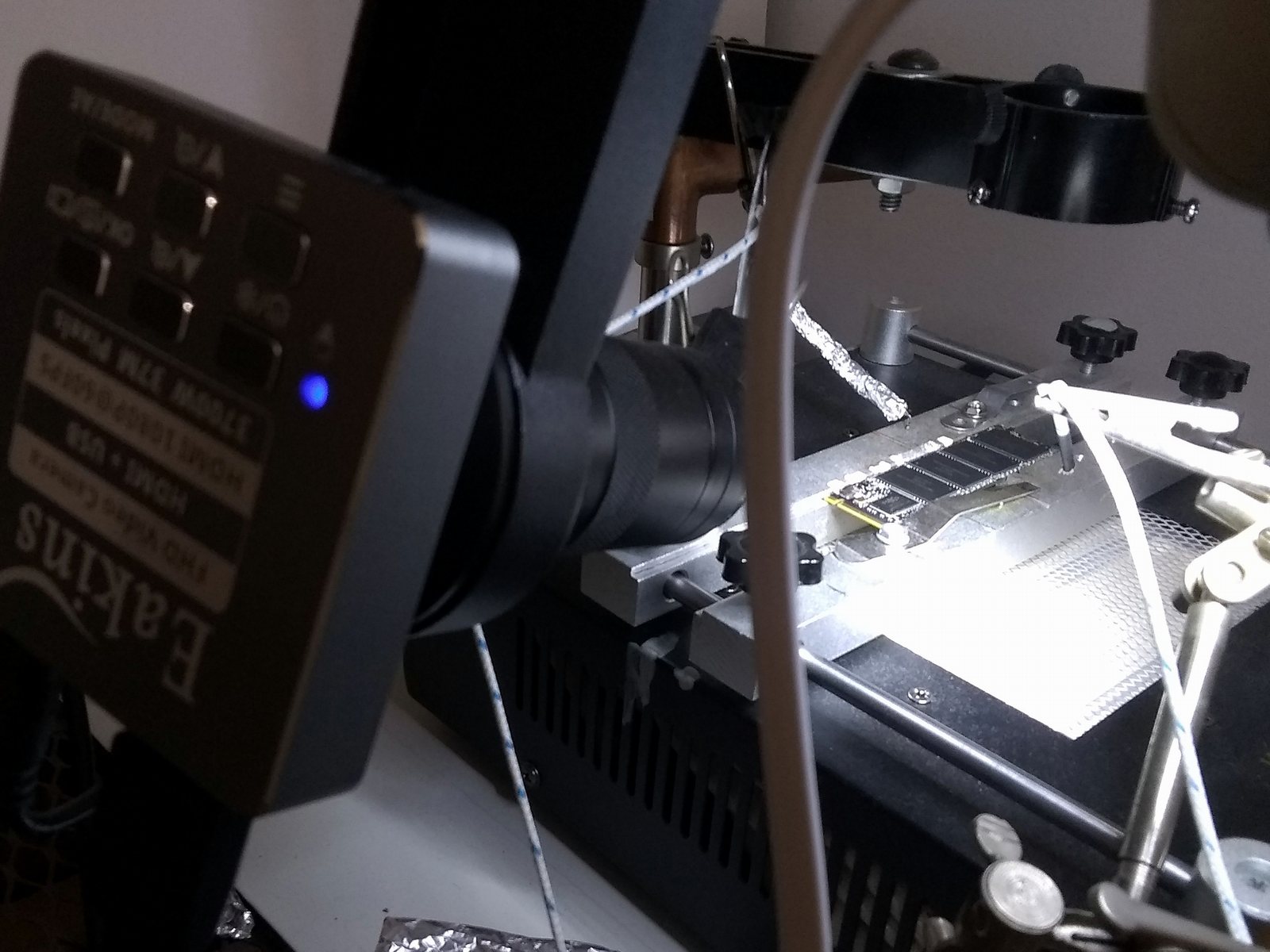
Hardware Repair & Reworking
Trace repair, BGA reballing, and SMD precision micro-soldering to restore power and trace stability directly on the SSD PCB.
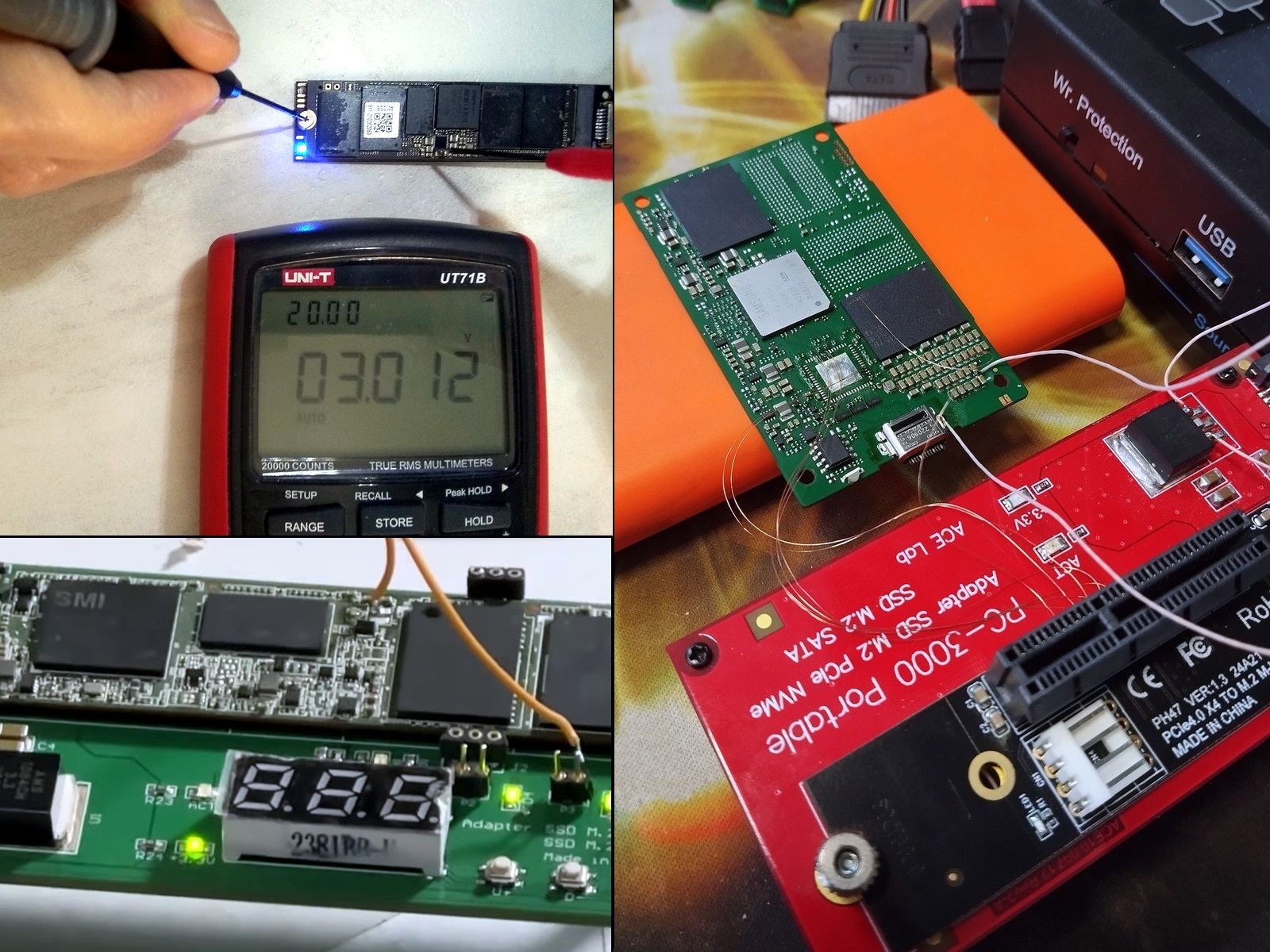
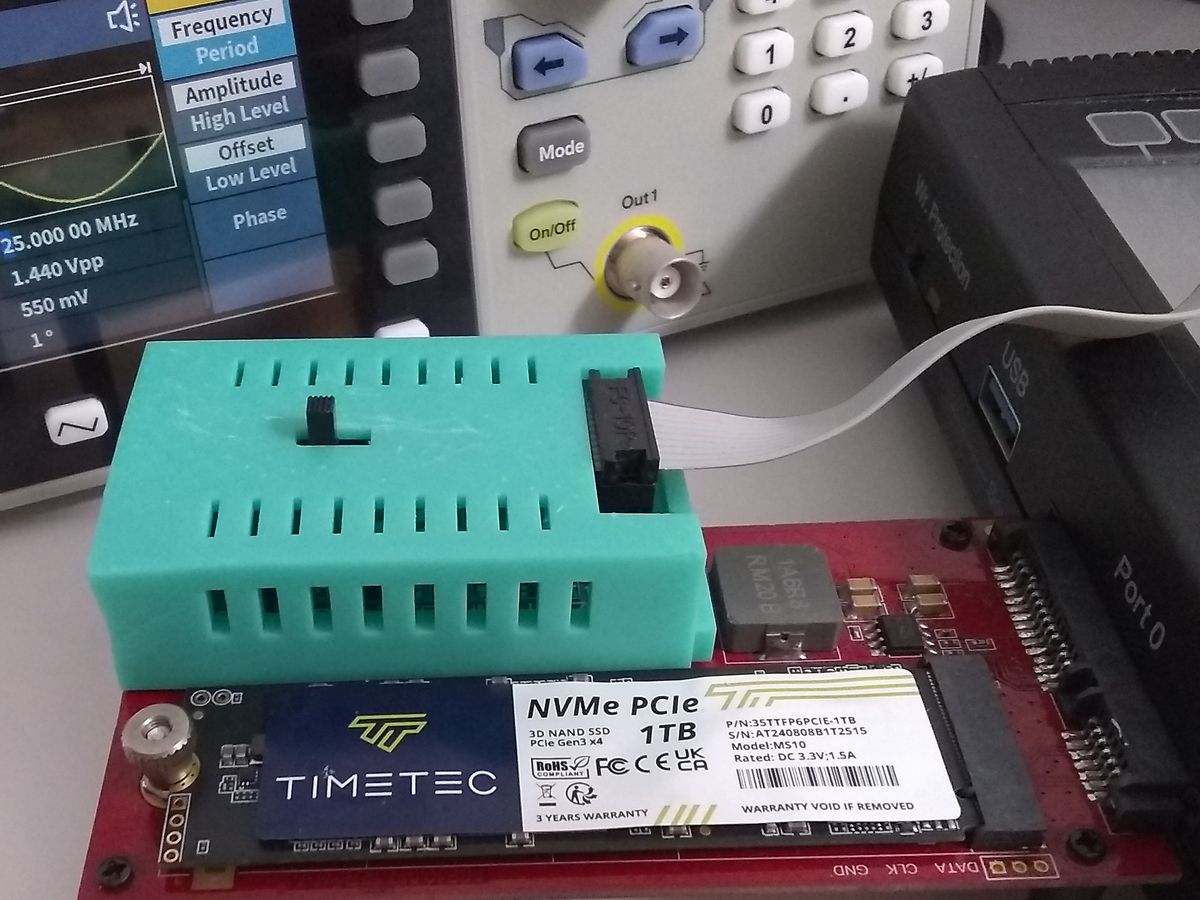
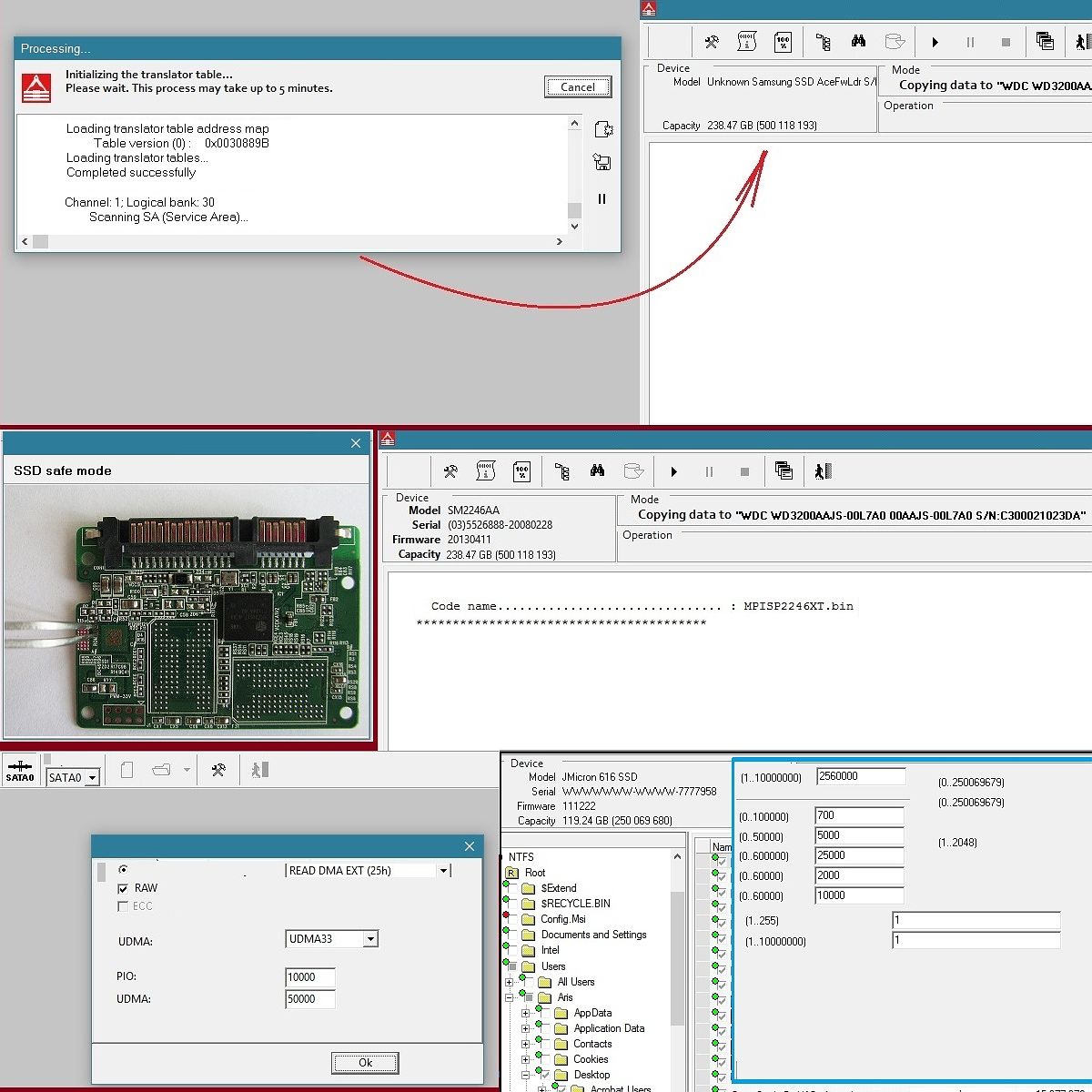
Firmware & Translation Layer Repair
Bypassing controller safe-mode locks and reconstructing corrupted flash translation layers (FTL) to regain data block access.
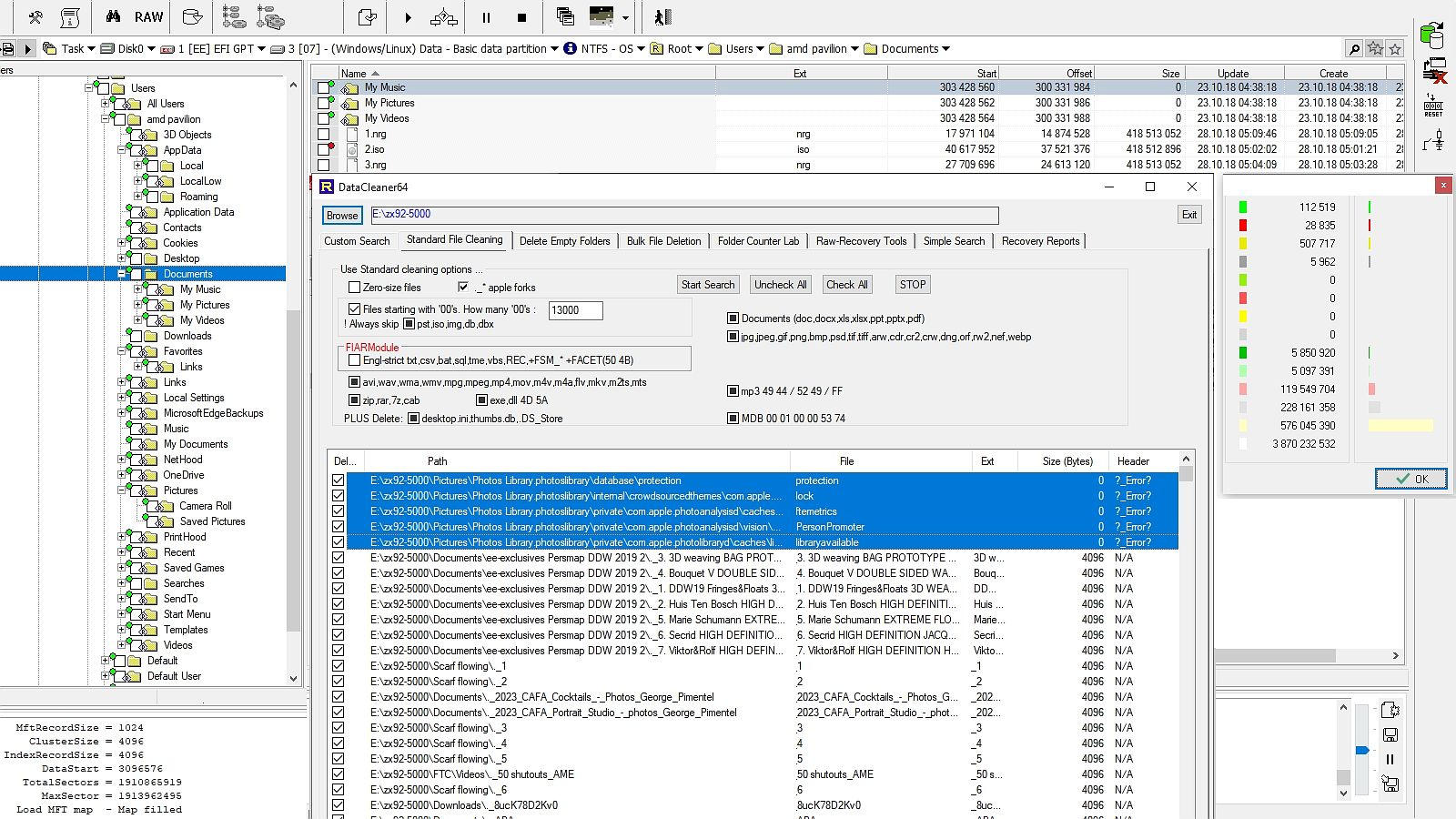
File Tree Verification
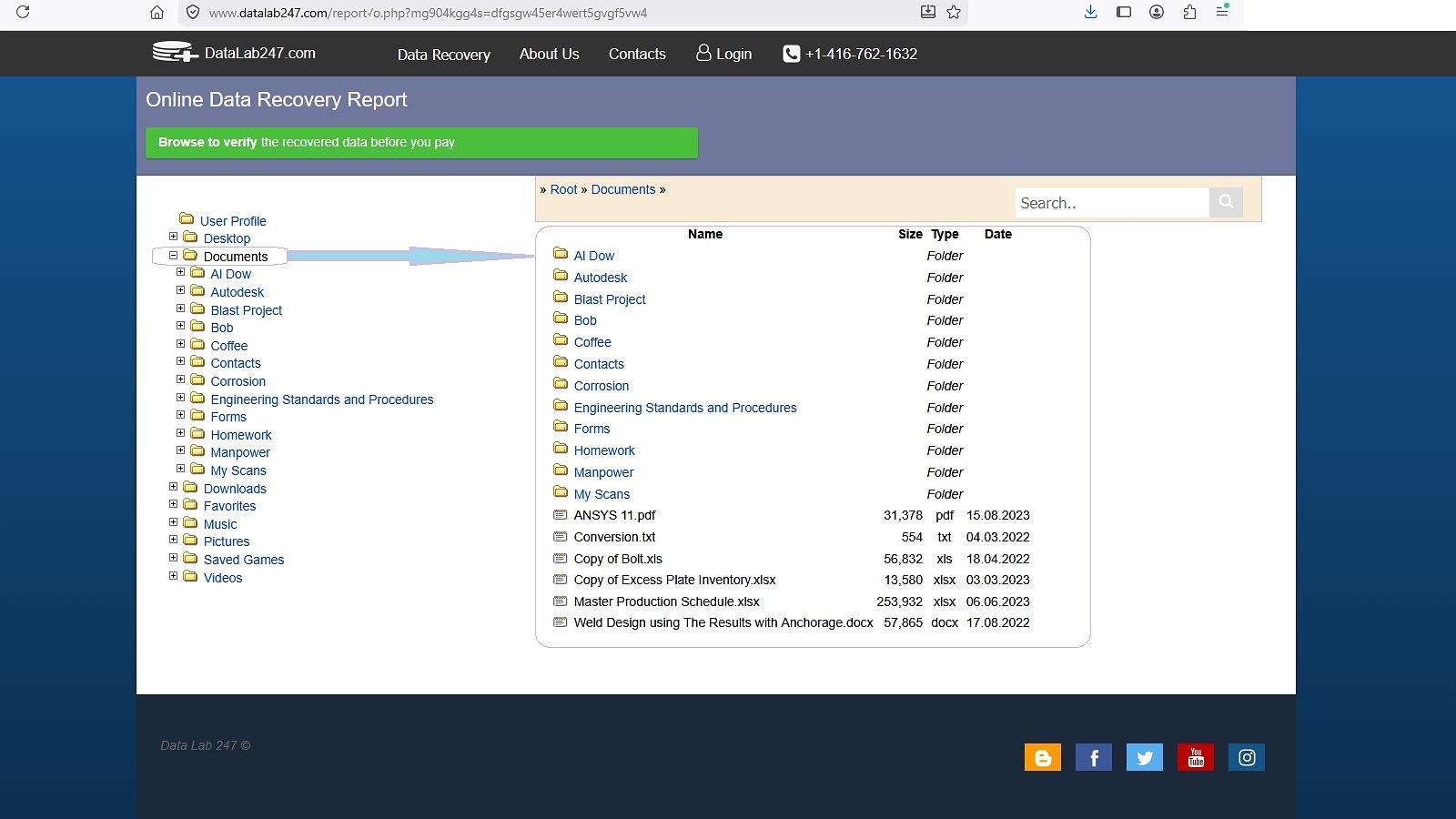
Clients securely preview their recovered file structure and target data trees before any payment is finalized.
Specialized Solid-State Hardware & Diagnostic Complexes
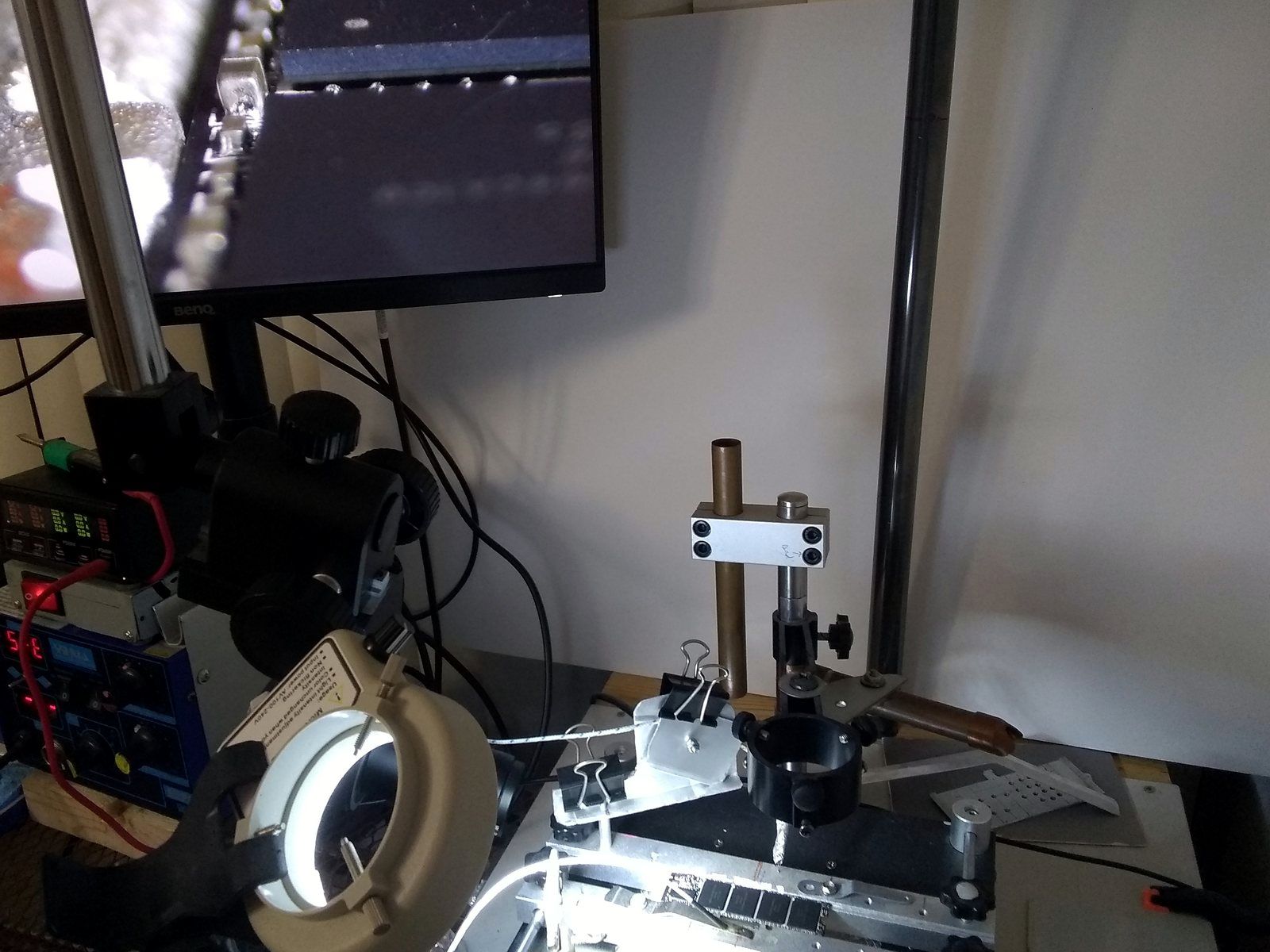
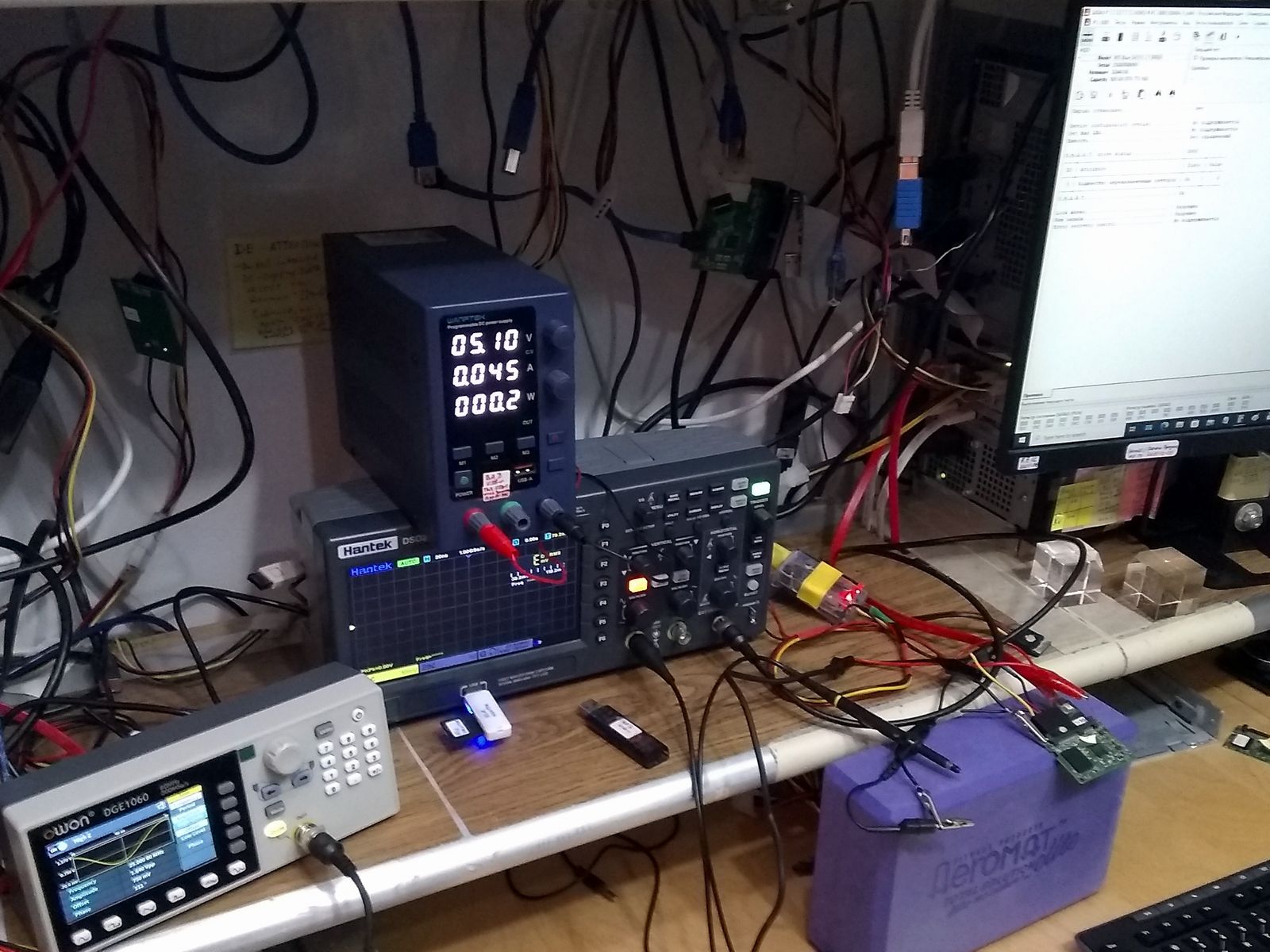
To safely interface with damaged flash storage controllers, our lab utilizes specialized PC-3000 SSD diagnostic complexes and component-level micro-soldering stations. Having successfully recovered thousands of dead drives in-lab, our senior technicians work directly on the circuitry under thermal optics to bypass physical circuit breaks, trace shorts, and microcode blocks. By managing every stage of memory emulation internally, we maintain total data privacy for our clients without outsourcing to third-party facilities.
Common SSD Failure Scenarios We Resolve
Controller & Firmware Crushes
The drive is entirely undetected, hangs during boot, or shows unallocated space with incorrect factory safe-mode capacities (e.g., 0MB or generic chip IDs) due to critical translation layer corruption.
Degraded NAND & Media Wear
Severe cell exhaustion causes random blue screens (BSOD), read timeout drops, or frozen filesystems. We isolate unresponsive flash chips and apply hardware-level matrix reconstruction to pull raw data.
Electrical & Physical Blowouts
Dead media caused by power surges, laptop liquid spills, or shorted capacitors. Our engineers bypass blown voltage rails via precision SMD micro-soldering and custom component-level PCB reworking.
Our Professional SSD Data Recovery Process
Step 1: Immediate Lab Check-In & Queue Management
Every incoming solid-state drive is immediately logged into our secure tracking database. Your flash media is physically tagged, assigned a unique case profile, and routed directly to our secure queue or prioritized immediately if marked for emergency triage.
Step 2: In-Lab Forensic Diagnostics
Once your SSD arrives at our laboratory, our engineers perform a comprehensive diagnostic evaluation. This is not a superficial automated scan; senior specialists carefully examine the exact firmware, physical circuitry, and NAND matrix health through a rigorous in-lab process:
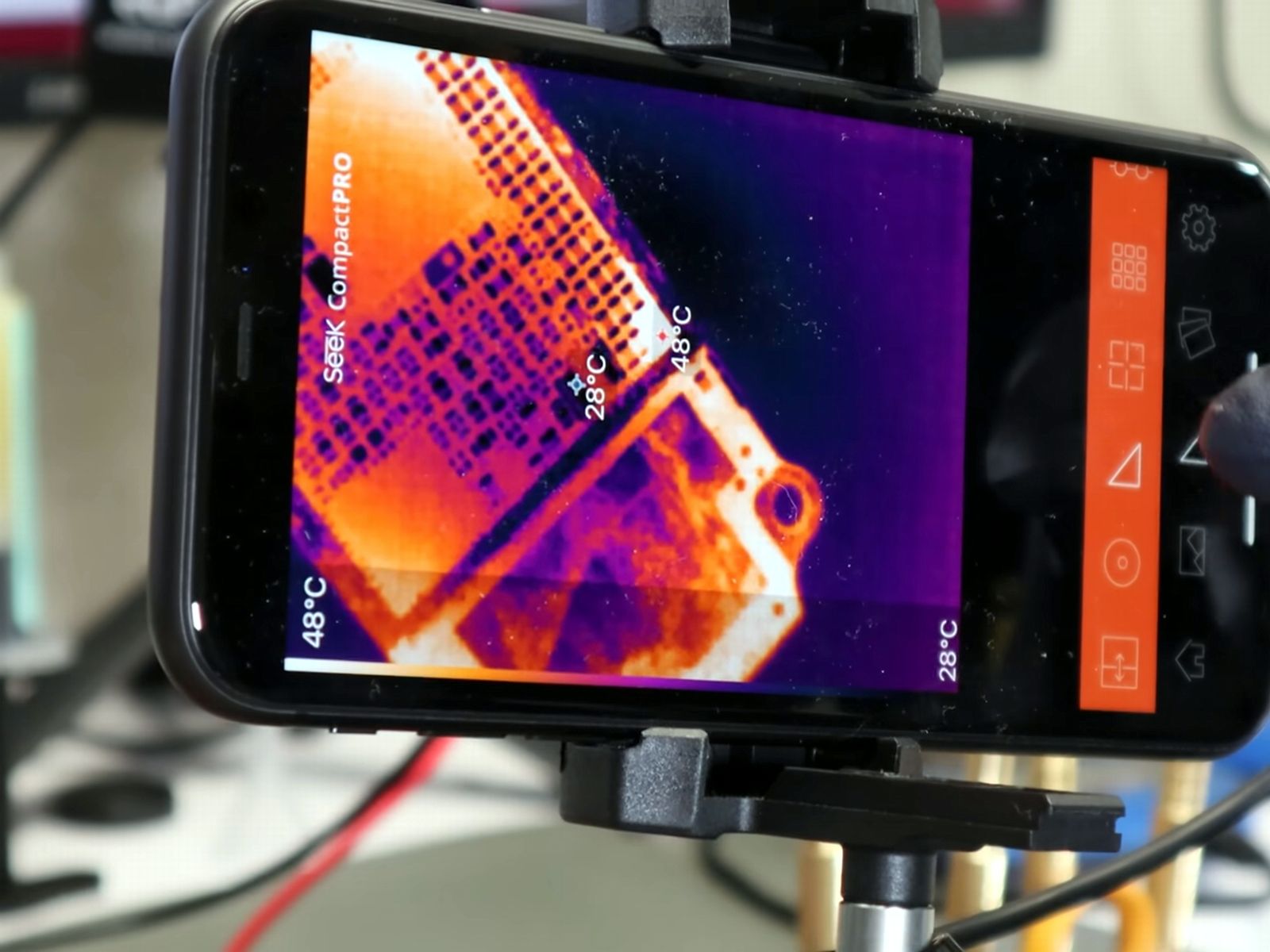
- Thermal Optics Circuit Inspection: We execute physical board examinations under specialized micro-soldering stations to locate short circuits, blown surface-mount capacitors, or overheating controllers.
- Firmware Integrity Evaluation: Our engineers hook the media into PC-3000 SSD complexes to map the status of the Flash Translation Layer (FTL), microcode blocks, and check for safe-mode locks.
- NAND Cell Degradation Scan: We analyze the wear level of the memory cells to determine if unresponsive flash chips can be isolated or if raw data dumps are required.
- Write-Protected Hardware Isolation: All diagnostics are handled via specialized hardware-level data complexes that lock out write commands, preventing background garbage collection or automatic TRIM routines from changing the data.
By mapping out these structural solid-state failures precisely before attempting data extraction, we maximize the recovery success rate while protecting the fragile state of your original storage device.
Step 3: Comprehensive Engineering Report & Choice
At this stage, you maintain complete control: review the definitive diagnostic findings regarding your SSD's controller failure or cell health and choose whether to authorize the final data extraction or decline the case under our fixed pricing quote policy.
Step 4: Advanced Extraction & Clean Delivery
Once approved, the required circuit repair, firmware emulations, or chip extractions are finalized. Data is systematically extracted and verified for integrity using a highly precise laboratory process:
- Bit-by-Bit Flash Array Dump: We extract a raw physical image of the data blocks directly from the memory chips to prevent further hardware stress.
- Prioritizing Fragile Blocks: We isolate and extract the healthiest NAND arrays first, pulling critical files before a severely shorted or dying controller permanently breaks down.
- Multi-Array Matrix Reconstruction: Our systems precisely skip over dead or shorted NAND chips, reading raw data from the remaining functional chips and combining it algorithmically to rebuild the original file paths.
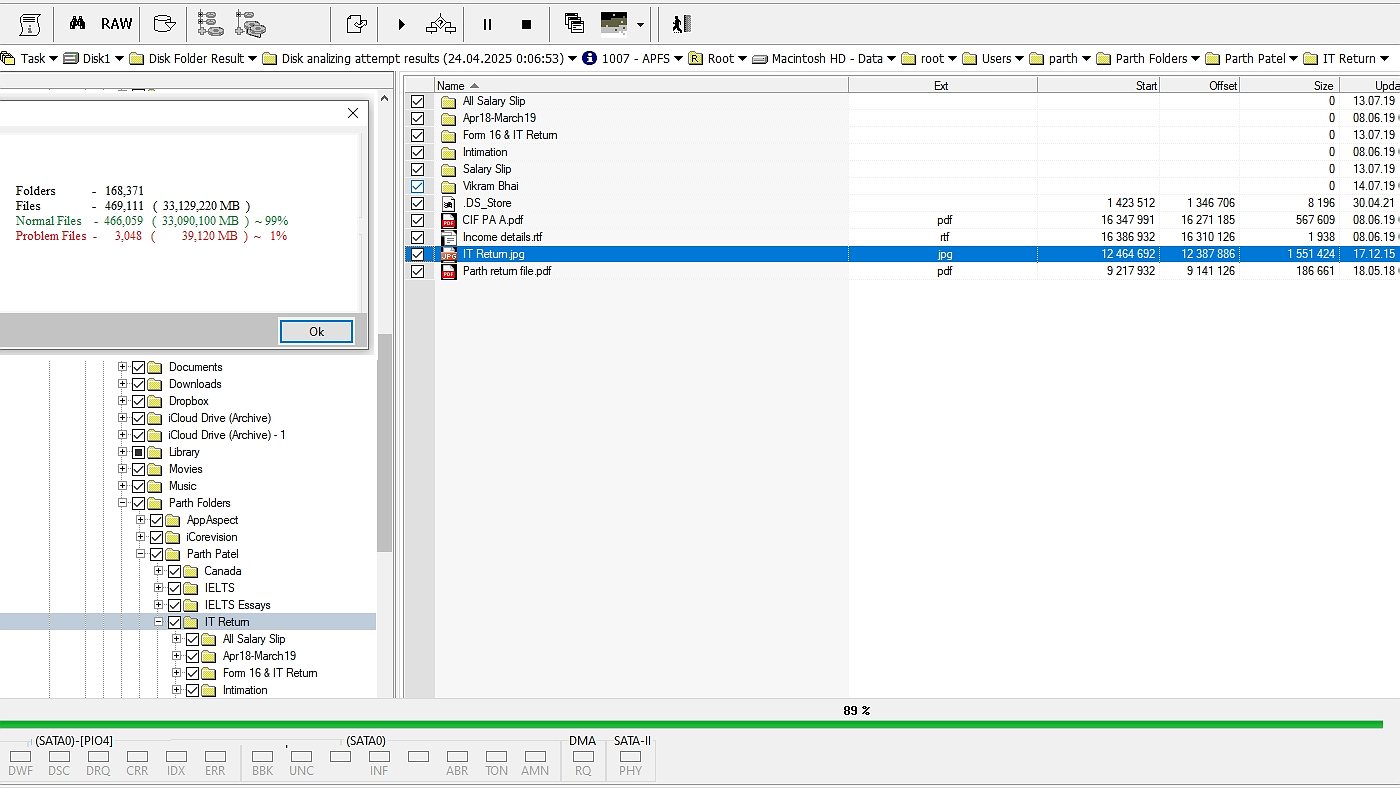
- Automated Integrity Verification: Our software automatically identifies hardware-damaged or unresponsive sectors, isolates those corrupt or partially recovered files into a separate folder, and generates a detailed report viewable in our online data recovery browser. Simultaneously, logically corrupted files are detected and filtered out at the hex-header level using our proprietary 'Data Cleaner' utility, developed and utilized exclusively by Data Lab 247 specialists.
Your verified files are then safely transferred over to the target storage media (available for purchase or user-provided) for delivery. To ensure complete privacy during transit, secure data encryption is also available upon request prior to shipment.
Frequently Asked Questions
Can data be recovered if individual NAND flash chips are dead or unresponsive?
Yes. Even if multiple memory cells are completely dead, shorted, or unresponsive, we can utilize hardware-level isolation combined with firmware emulation. By bypassing the catastrophically damaged chips, we can read raw data dumps from the remaining healthy flash media arrays and algorithmically reconstruct your original file and folder trees.
What does it mean when my SSD is recognized with 0MB or a generic controller name?
This symptom indicates a critical failure of the SSD's Translation Layer (FTL) or microcode firmware, throwing the device into an emergency factory safe-mode. Your data is likely completely safe inside the memory cells, but the controller is locked. We resolve this by connecting the drive to our PC-3000 SSD complexes, forcing a kernel-mode state, and emulating the drive's firmware to safely open access to the data blocks.
How does the TRIM command affect my chances of data recovery?
If you accidentally deleted files or formatted the drive, TRIM commands instruct the SSD to immediately purge and zero out those data sectors to clear space for future writes. If the drive is left powered on, background garbage collection will permanently wipe this information. If your drive has suffered physical or electronic failure rather than a deletion, TRIM does not run, and recovery chances remain high.
How much does SSD data recovery cost in Toronto, and how long does it take?
Our standard evaluations are completely free. True engineering-level SSD recoveries usually range from $350 to $790+ depending strictly on the complexity of the firmware corruption or physical board damage. Turnaround times typically average 2 to 5 business days, and we operate under a strict "No Data, No Recovery Fee" guarantee.
Can you recover data from liquid-damaged MacBooks or proprietary NVMe form factors?
Yes. Our laboratory is equipped for custom component-level trace restoration, surface-mount device (SMD) reworking, and Ball Grid Array (BGA) reballing. Whether your solid-state drive is an integrated Apple PCIe module or a standard M.2 NVMe drive, our micro-soldering specialists can stabilize the circuitry to securely pull your data.